Coatings that improve UHP levels in semiconductor manufacturing

Semiconductor manufacturing is one of the most demanding industries when it comes to material purity. From the chemicals used during fabrication to the equipment responsible for delivering them, every material that comes into contact with a process has the potential to influence its performance. Even small amounts of unwanted contamination can create significant challenges. Metal ions, particles, moisture, and reactive surfaces can interfere with manufacturing processes, contribute to equipment failures, and negatively affect production yield.

Maintaining ultra high purity requires more than simply selecting high quality process chemicals. Manufacturers and equipment OEMs must also consider the materials used throughout their equipment, including the surfaces of tubing, valves, fittings, reactors, and other critical components. Understanding how these materials interact with their environment is an important part of protecting semiconductor manufacturing processes.
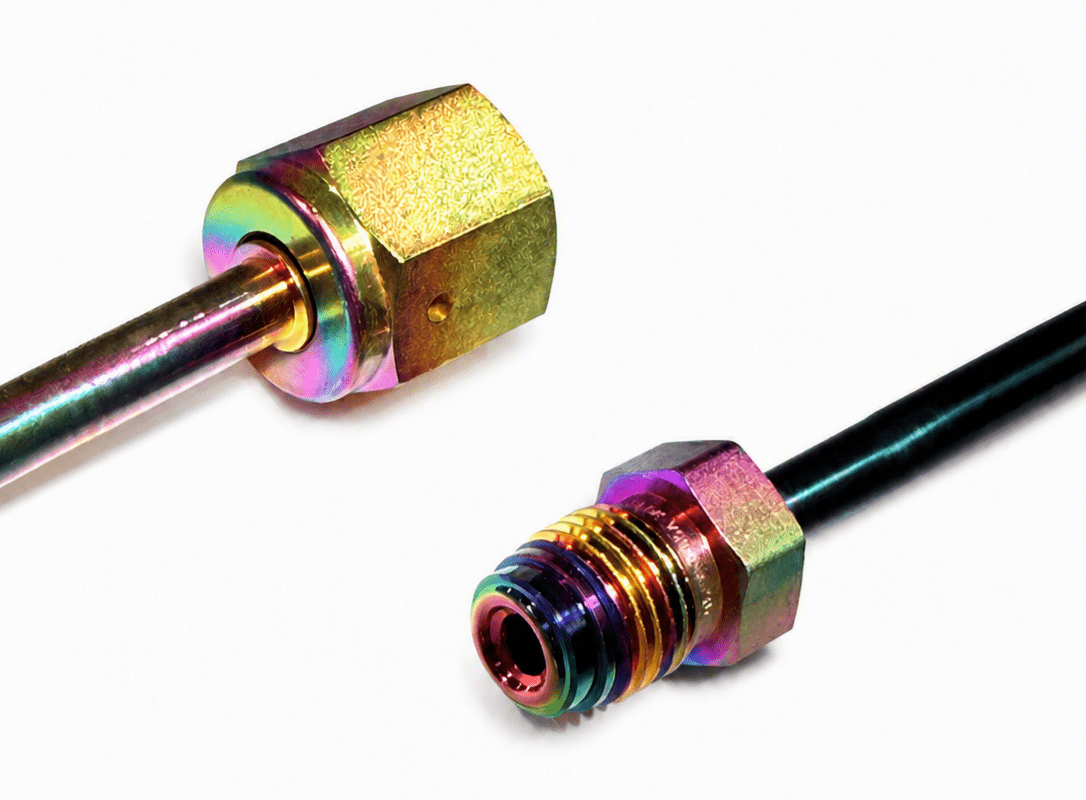
What does ultra high purity mean in semiconductor manufacturing?

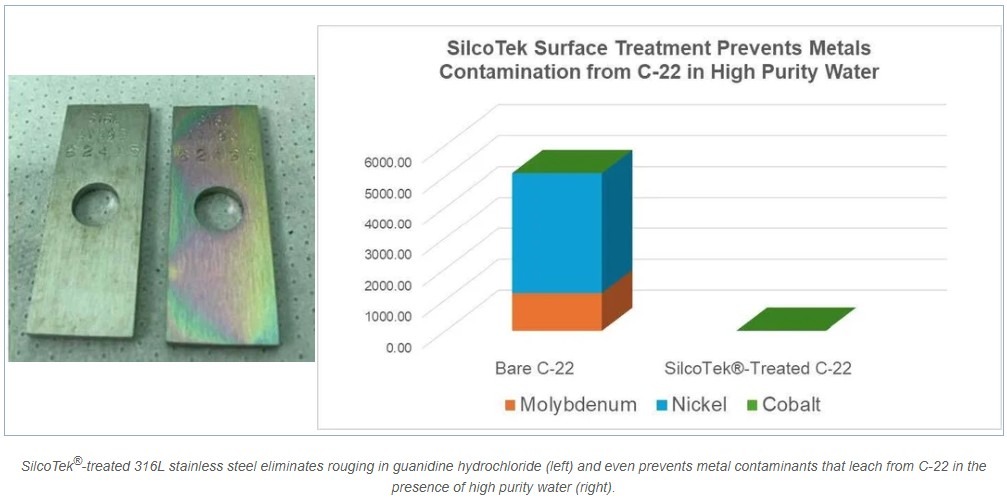
A process gas may meet its required purity specifications when it enters a delivery system. However, if the gas encounters a reactive or corroding surface during transport, its composition may be affected before it reaches the intended process. The same principle applies to liquid chemicals and other process materials. Even substances commonly considered relatively benign can interact with metal surfaces under certain conditions. SilcoTek has demonstrated that materials such as stainless steel and Hastelloy can release measurable metal ions when exposed to high purity solvents and deionized water. These findings illustrate an important distinction: The purity of a process fluid depends not only on its initial composition, but also on the surfaces it encounters during use.

Understanding the sources of contamination

Contamination can originate from several sources throughout semiconductor manufacturing equipment. Some contaminants enter with process materials, while others develop through interactions between chemicals and equipment surfaces.

Three important considerations are metal contamination, particulate generation, and moisture.

Metal ion contamination

Metal ion contamination can occur when process chemicals interact with metallic equipment surfaces. Stainless steel is commonly used in semiconductor manufacturing equipment because of its strength, durability, and manufacturability. However, stainless steel is not chemically inert under every operating condition. Exposure to certain chemicals can cause metals such as iron, nickel, and chromium to leach from wetted surfaces. These contaminants can enter process streams and potentially negatively affect yield.

SilcoTek has investigated metal ion leaching from several commonly used materials, including stainless steel, Hastelloy, titanium, and MP35N. The results demonstrate that the relationship between a material and its surrounding chemistry is an important consideration when selecting components for high purity applications.

Particulate contamination

Particles are another concern in semiconductor manufacturing. Corrosion of metallic components can produce particles that enter process streams or accumulate within equipment.

In semiconductor applications, corrosion related particles can contribute to contamination, equipment maintenance requirements, and potential yield losses. This makes the condition of equipment surfaces particularly important in environments where aggressive process chemistries are present. Material selection, chemical compatibility, and corrosion resistance all play roles in controlling this potential contamination source.

Moisture and surface interactions

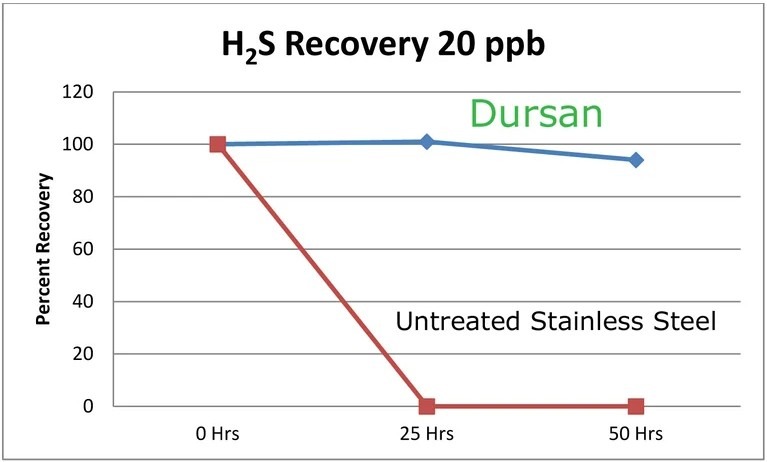
Moisture is another consideration in semiconductor process environments, particularly when working with moisture sensitive or reactive chemistries. Surfaces can interact with moisture in different ways depending on their chemical composition and surface properties.  HBr is a classic example.  When the cylinder pigtail starts to indicate a reaction, what condition are the wetted surfaces upstream?

For applications involving metal halides and other sensitive chemistries, controlling moisture interactions can be an important part of maintaining process conditions. SilcoTek’s Dursan® coating, for example, provides a hydrophobic silicon oxide surface that can help control moisture related surface interactions in appropriate semiconductor applications. These properties demonstrate how modifying the surface of a component can provide additional functionality beyond that of the underlying material.

Why high purity chemicals can still cause contamination

One of the more surprising challenges in maintaining process purity is that contamination does not always require exposure to an extremely aggressive chemical. Even high purity solvents and deionized water can interact with certain metallic surfaces.

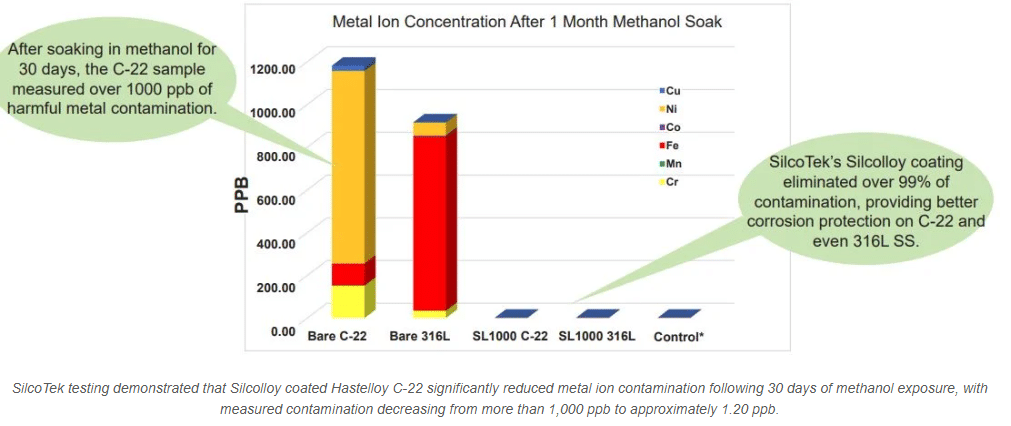
SilcoTek investigated this behavior by exposing coated and uncoated metal samples to methanol and measuring the resulting metal contamination. In one study, samples were immersed in methanol for 30 days before the solutions were analysed for metal ions. The results showed that uncoated Hastelloy C-22 released more than 1,000 parts per billion (ppb) of metal contamination. By comparison, the Silcolloy® coated Hastelloy C-22 sample produced approximately 1.20 ppb of measured metal contamination. This represents a reduction of more than 99% in measured metal contamination under the tested conditions! The results demonstrate how the surface of a material can influence the purity of a fluid, even when the fluid itself begins as a high purity substance. For semiconductor manufacturers, these findings reinforce the importance of evaluating the compatibility of equipment surfaces with the chemicals they encounter.
The importance of material purity throughout semiconductor equipment

Maintaining high purity requires attention to more than the process chamber itself. Semiconductor manufacturing systems contain numerous components responsible for storing, transporting, controlling, and removing process chemicals. These components can include gas delivery tubing, valves, fittings, regulators, filters, manifolds, reactors, and exhaust equipment. Each component introduces additional surfaces that may interact with the chemicals moving through the system.

Materials entering the process chamber

Before process chemicals reach the chamber, they travel through an extensive network of delivery equipment. Depending on the application, these chemicals can be reactive or corrosive toward conventional metallic surfaces. If corrosion occurs, the resulting metal ions or particles may be carried downstream. This creates an opportunity for contamination before the chemicals reach the intended manufacturing process. For this reason, semiconductor equipment manufacturers must consider both the chemical compatibility and surface properties of components throughout the delivery system.

Materials leaving the process chamber

The challenges do not end once the manufacturing process is complete. Exhaust systems can encounter aggressive chemical species that create different material compatibility concerns.

For example, SilcoTek has documented semiconductor applications involving fluorine-containing exhaust streams and the corrosion challenges they create for metallic components. Protecting these downstream surfaces can help reduce corrosion related maintenance and improve equipment reliability. Although the environments entering and leaving a process chamber may differ, both require careful consideration of the materials exposed to process chemicals.

How SilcoTek’s CVD process supports ultra high purity

Selecting an appropriate bulk material is an important first step in designing semiconductor equipment. However, the properties needed for mechanical performance are not always the same as those required for chemical compatibility. Stainless steel, for example, offers several advantages for manufacturing complex components. Yet its surface may still be susceptible to chemical reactions under certain operating conditions. Surface engineering provides a way to modify the properties of a material without replacing the entire component.

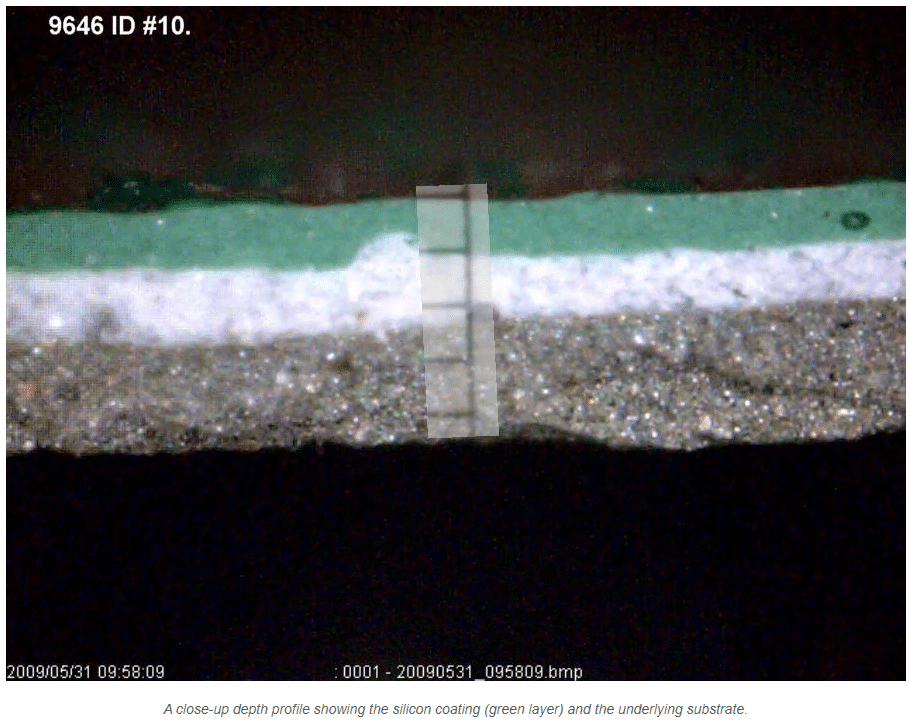
SilcoTek uses chemical vapour deposition (CVD) to apply thin, conformal silicon based coatings to stainless steel and other compatible substrates. These coatings create a barrier between the underlying material and its surrounding environment.

Depending on the coating selected, surface engineering can help improve:

  • Resistance to chemical corrosion
  • Protection against metal ion leaching
  • Chemical inertness
  • Moisture related surface properties
  • Equipment durability and reliability

Because SilcoTek’s CVD process is not limited to line of sight deposition, coatings can reach intricate internal surfaces, including those found in tubing, valves, fittings, and other complex components. This allows manufacturers to retain the mechanical advantages of the underlying substrate while modifying the properties of surfaces exposed to process chemicals.

How pure are SilcoTek’s silicon coatings?

The composition of a protective coating is particularly important when it is being used in an application where contamination must be minimised. SilcoTek has evaluated the purity of its silicon CVD coatings with a reported silicon coating purity of 99.98%.

Testing for common metallic contaminants produced the following results:
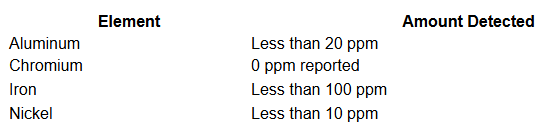
These measurements characterise metallic impurities within the coating material itself, rather than the concentration of contaminants released into a process stream. By creating a high purity silicon barrier over a metallic substrate, SilcoTek coatings can reduce direct contact between process chemicals and the underlying metal. This approach provides an additional option for manufacturers seeking to improve material compatibility and reduce potential contamination sources.
Choosing the right coating for semiconductor applications

Not every semiconductor process presents the same material challenges. Different chemicals, temperatures, and operating environments require different surface properties.

SilcoTek offers several CVD coatings designed to address specific semiconductor equipment requirements.

Silcolloy 2000 is a high purity amorphous silicon coating used as a protective barrier in corrosive environments (dry etch), including applications upstream from semiconductor processing chambers. Its silicon surface helps protect the underlying metal from chemical interactions.

Dursan is a hydrophobic silicon oxide coating that provides corrosion resistance and moisture related surface properties. It can be useful in appropriate non-plasma applications involving precursor storage, chemical delivery, and exhaust systems.

Siltride 1000 is a thermally stable silicon oxynitride coating designed for demanding environments, including certain applications involving non-plasma fluorine exposure. It has been used in semiconductor sub-fab equipment to address corrosion and maintenance challenges.

The appropriate coating depends on the specific chemicals, operating conditions, and performance requirements of the application. Evaluating these conditions before selecting a coating is essential to achieving the best results.

Protecting purity means looking beyond the starting material

UHP semiconductor manufacturing requires a comprehensive approach to contamination control. While the purity of incoming chemicals and gases is important, manufacturers and equipment OEMs must also consider how those materials interact with equipment throughout the process. Metal ion leaching, corrosion related particles, and surface interactions can introduce additional challenges, even when the original process materials meet their purity requirements. By evaluating the materials used throughout semiconductor manufacturing systems, engineers can identify opportunities to reduce contamination and improve equipment reliability.

SilcoTek’s CVD coatings provide one approach to addressing these challenges by creating high purity, chemically resistant surfaces on existing metallic components. From chemical delivery to process exhaust, selecting compatible materials and surface treatments can help manufacturers and equipment OEMs protect critical equipment and maintain the demanding purity requirements of semiconductor production.

By |2026-10-13T15:28:19+01:0013 October 2026|OptiFab Articles|Comments Off on Coatings that improve UHP levels in semiconductor manufacturing

How surface adsorption slows analyser response time

When an analytical system takes too long to stabilise, it is easy to assume the analyser itself is the problem. But the delay may begin long before the sample ever reaches the detector.

Every surface a sample contacts along the way, including tubing, valves, fittings, filters, regulators, and sample cylinders, has the potential to interact with the compounds being measured. For reactive or trace level analytes, those interactions can result in adsorption, delayed response, sample loss, and memory effects.

In other words, your analyser may be ready for the sample long before the sample is ready for the analyser.

Understanding how surface adsorption affects response time helps laboratories and process operators identify hidden sources of delay and design a more reliable analytical flow path.


What is surface adsorption?

Adsorption (which is different than absorption) occurs when molecules from a gas or liquid adhere to the surface of a material. In an analytical flow path, this means some of the analyte can be temporarily retained by the tubing or other components instead of traveling directly to the detector.

This becomes especially important when measuring reactive compounds or very low concentrations. At trace levels, even relatively small surface interactions represent a meaningful portion of the total analyte being measured.

Bare stainless steel is widely used in analytical systems because of its strength, durability, and temperature capabilities. However, its surface can contain active sites that interact with certain compounds.

When a sample enters an untreated stainless steel flow path, molecules can adsorb onto those sites. As those sites become occupied, progressively more analyte can make its way through the system. The result can be a gradual increase in measured concentration rather than an immediate, stable response.

That is where response time becomes a surface problem.


Adsorption can make stabilisation take much longer

One of the clearest examples comes from research conducted as part of the European Metrology Research Programme project focused on metrology for VOC indicators in air pollution and climate change.

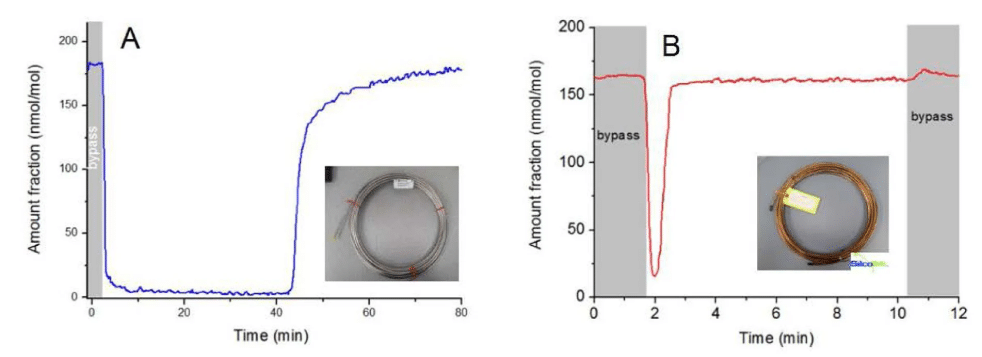
Researchers evaluated the adsorption of methanol using 10 metre lengths of stainless steel tubing. Low concentrations of methanol were passed through both uncoated and SilcoNert® 2000 coated stainless steel tubing.

With the uncoated stainless steel tubing, the researchers reported that it took approximately 40 minutes before methanol reached the measurement cell. After that initial delay, another approximately 40 minutes were required for the concentration to stabilize.

With SilcoNert 2000 coated tubing, the methanol concentration stabilised in approximately one minute.

The researchers concluded that methanol adsorption was much lower in the SilcoNert 2000 coated tubing than in the uncoated stainless steel tubing.

For an analytical system, that difference is about more than convenience. Waiting for a surface to equilibrate increases analysis time and make it more difficult to determine whether a changing signal represents the actual sample or interactions occurring somewhere within the sampling system.


The problem doesn’t end when the sample stops

Adsorption affects both sides of an analytical measurement.

When analyte molecules adhere to a surface, they may later desorb or release from that surface. This causes the analyte to remain in the flow path even after the sample concentration has changed.

This behavior can contribute to what is often called a memory effect. The system essentially retains part of a previous sample and releases it over time.

That means an adsorptive flow path can potentially cause two different problems:

A slow rise in signal as the surface initially retains analyte, and a slow return to baseline as previously adsorbed molecules are released.

Both can increase the amount of time required between measurements and complicate interpretation of the analytical signal.


Ammonia testing demonstrates both effects

Testing with ammonia provides a useful example of how surface chemistry affects both initial response and recovery.

In testing comparing PTFE, 316L stainless steel, and SilcoNert 2000 coated 316L stainless steel sampling lines, the average ammonia rise times were:

SilcoNert 2000 coated 316L: 8.4 seconds
PTFE: 16.2 seconds
316L stainless steel: 17.0 seconds

The differences became even more pronounced when researchers measured fall time, or how quickly the system released the ammonia and returned toward baseline:

Intrinsic analyzer response: 6.0 seconds
SilcoNert 2000 coated 316L: 9.4 seconds
PTFE: 18.2 seconds
316L stainless steel: 33.0 seconds

The coated stainless steel flow path approached the response of the analyser itself much more closely than either of the other tested sampling materials.

This highlights an important distinction when troubleshooting analytical response. The instrument may be capable of responding quickly, but the components transporting the sample can introduce additional delays.


Reactive sulphur compounds can create even larger delays

Highly reactive sulphur compounds present another challenging example.

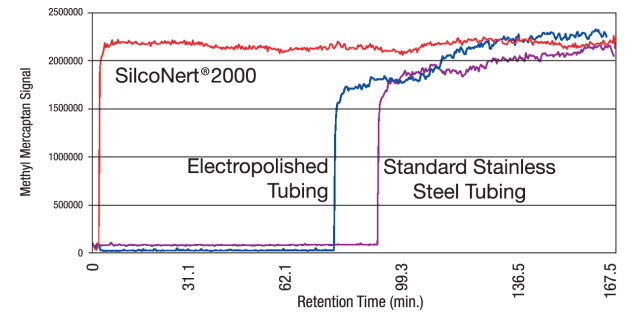
A trace methyl mercaptan sample was passed through 100 feet of 1/8″ inch tubing. With untreated stainless steel tubing, more than 90 minutes passed before the detector responded.

The delay was attributed to retention of the sulphur compound by the stainless steel surface.

For process analytical applications, delays on that scale can be especially problematic. If the composition of a process stream changes, the value of the measurement depends partly on how quickly the analytical system accurately detects that change.

A delayed signal may describe what was happening in the process many minutes earlier rather than what is happening at that moment.


Why trace analysis makes surface chemistry more important

Surface adsorption isn’t necessarily equally important in every analytical application.

As concentrations decrease, however, the amount of analyte lost to the surface becomes increasingly important relative to the total amount available for measurement.

This is one reason flow path materials deserve greater attention in applications involving trace VOCs, sulphur compounds, ammonia, moisture, and other reactive species.

A component that appears insignificant in a high concentration application may become an important source of adsorption when measurements move from percent levels, to ppm or ppb concentrations.

Surface area matters as well. Long tubing runs and components with relatively large internal surface areas, such as filters, can provide more opportunities for the sample to interact with the flow path.


Don’t stop at the tubing

Changing the tubing while ignoring the rest of the sample path can leave other sources of adsorption in place.

An analytical flow path may include:

  • Tubing
  • Valves
  • Fittings
  • Filters and frits
  • Regulators
  • Sample cylinders
  • Probes
  • Other wetted components

Each represents another surface the sample encounters before reaching the detector.

Fritted filters can be particularly important because their structure creates a relatively large surface area. Regulators, valves, fittings, and the internal surfaces of sample cylinders can also retain reactive compounds.

For this reason, improving analytical response often requires looking at the flow path as a complete system rather than focusing on a single piece of tubing.


How SilcoNert 2000 changes the flow path surface

SilcoNert 2000 is a silicon based chemical vapor deposited coating designed to create an inert barrier between the sample and the underlying metal substrate.

Rather than replacing stainless steel components with an entirely different material, the coating modifies the surfaces that contact the sample while retaining the mechanical properties of the base component.

SilcoTek’s CVD process is also conformal, allowing the coating to be applied to internal surfaces and complex geometries such as tubing, valves, fittings, filters, and sample cylinders.

By reducing interaction between reactive analytes and metal surfaces, an inert flow path reduces adsorption and subsequent desorption.

The result is faster stabilisation, faster recovery, and less opportunity for previous samples to influence subsequent measurements.


When a slow analyser may actually be a surface problem

If an analytical system is experiencing slow stabilisation, delayed response, persistent signals after a sample has changed, or unexpected carryover between measurements, the detector shouldn’t necessarily be the only component under investigation.

The problem may be happening upstream.

Ask where the sample travels before reaching the analyser. Consider how much surface area it encounters, what those surfaces are made from, and whether the compounds being measured are likely to interact with them.

Testing has demonstrated differences ranging from seconds to tens of minutes depending on the analyte and flow path material. In particularly reactive applications, the difference can be even greater.

Ultimately, an analyser can only measure the sample that reaches it.

Creating an inert flow path helps ensure that the sample arriving at the detector more accurately represents the sample that entered the system in the first place.

By |2026-10-07T10:20:36+01:007 October 2026|OptiFab Articles|Comments Off on How surface adsorption slows analyser response time

Common corrosion challenges in semiconductor manufacturing

Semiconductor manufacturing demands exceptional precision. As device geometries continue to shrink and process requirements become more stringent, even microscopic levels of contamination can affect product quality, wafer yield, and equipment reliability. While much attention is given to cleanrooms, filtration, and process control, one factor that is often overlooked is corrosion within the process equipment itself.

From chemical delivery systems and wet processing equipment to gas distribution lines and fluid handling components, stainless steel surfaces are routinely exposed to highly aggressive chemistries. Over time, these environments can attack the metal surface, leading to corrosion, contamination, and costly maintenance.

Understanding where corrosion occurs and how to minimize it is an important part of maintaining reliable semiconductor manufacturing operations.


Why Corrosion Matters

Corrosion is more than an equipment maintenance issue. In semiconductor manufacturing, even minor surface degradation can have significant consequences.

When stainless steel corrodes, metal ions and corrosion byproducts may be released into the process stream. Surface damage can also create sites where particles accumulate or contaminants become trapped. These effects can contribute to reduced process consistency, increased cleaning requirements, and, ultimately, lower wafer yields.

Corrosion can also shorten the service life of expensive components, increasing maintenance frequency and unplanned downtime. For manufacturers operating around the clock, replacing critical components more often than necessary adds both direct costs and production interruptions.


Common Corrosive Chemistries in Semiconductor Processing

Semiconductor fabrication relies on a wide range of aggressive chemicals, each presenting unique challenges for process equipment.

Strong Acids

Acids such as hydrochloric acid (HCl), sulfuric acid (H2SO4), nitric acid (HNO3), and hydrofluoric acid (HF) are widely used for wafer cleaning, oxide removal, and etching processes.

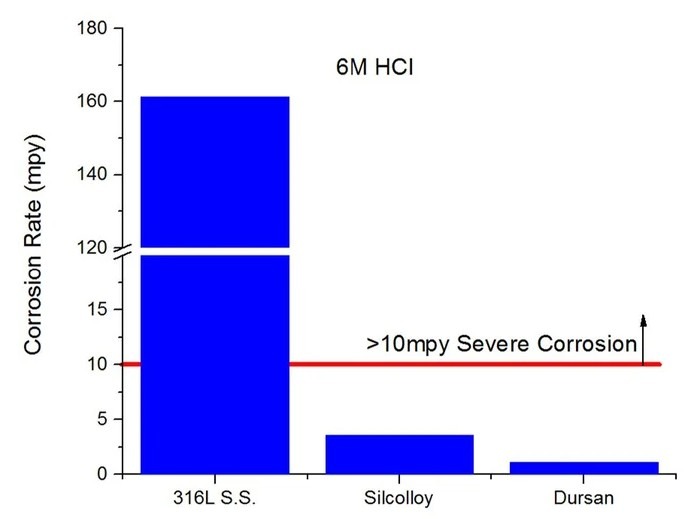
These chemicals can attack stainless steel surfaces over time, particularly in applications involving elevated temperatures or repeated exposure. While stainless steel offers excellent corrosion resistance in many environments, aggressive semiconductor chemistries can eventually compromise the passive oxide layer that protects the underlying metal.

Caustic Solutions

High pH chemicals such as sodium hydroxide (NaOH), potassium hydroxide (KOH), and ammonium hydroxide are commonly used throughout semiconductor manufacturing for cleaning and surface preparation.

These solutions can present their own corrosion challenges, especially when equipment is subjected to repeated cleaning cycles or continuous chemical exposure. Maintaining both corrosion resistance and non-stick surface properties is particularly important in these applications to reduce residue buildup and simplify cleaning.

Chemical Mechanical Planarization (CMP) Slurries

CMP processes introduce an additional challenge by combining chemically aggressive fluids with abrasive particles.

This combination can produce both chemical corrosion and mechanical wear. Components that transport or contain CMP slurries must withstand harsh conditions while minimising particle generation and contamination.

Specialty Process Gases

Many semiconductor manufacturing processes utilise reactive gases containing chlorine, fluorine, bromine, ammonia, and other corrosive compounds. Gas delivery systems must maintain high purity while resisting long-term chemical attack.

Even slight surface reactions can affect process consistency or contribute unwanted contaminants into ultra high purity systems.


Where Corrosion Commonly Occurs

Corrosion can affect nearly every component that comes into contact with process chemicals or gases. Some of the most common areas include:

  • Tubing and transfer lines
  • Valves and fittings
  • Process vessels
  • Gas delivery systems
  • Pumps
  • Filters
  • Heat exchangers
  • Sample cylinders
  • Distribution manifolds

Because these components often represent the first surfaces that chemicals encounter, their condition plays a critical role in maintaining process purity.


The Cost of Surface Degradation

As corrosion progresses, the effects extend beyond the component itself.

Surface roughness increases, creating additional locations where particles and contaminants can accumulate. Cleaning becomes more difficult, maintenance intervals become shorter, and replacement costs continue to rise.

In semiconductor manufacturing, where process repeatability is essential, these seemingly small changes can have measurable impacts on production efficiency and product quality.


Strategies for Reducing Corrosion

Managing corrosion begins with selecting the appropriate materials for each application. Stainless steel remains an excellent choice for many semiconductor systems, particularly when combined with proper fabrication and finishing practices such as electropolishing.

However, material selection alone may not provide sufficient protection in the industry’s most demanding environments.

Protective barrier coatings can provide an additional level of defense by isolating the stainless steel substrate from aggressive chemicals. Unlike sacrificial coatings that wear away over time, chemically bonded CVD coatings create an ultra thin, conformal barrier that maintains the dimensional accuracy of precision components while improving surface performance.

The appropriate solution depends on the specific process chemistry, operating conditions, and performance requirements.

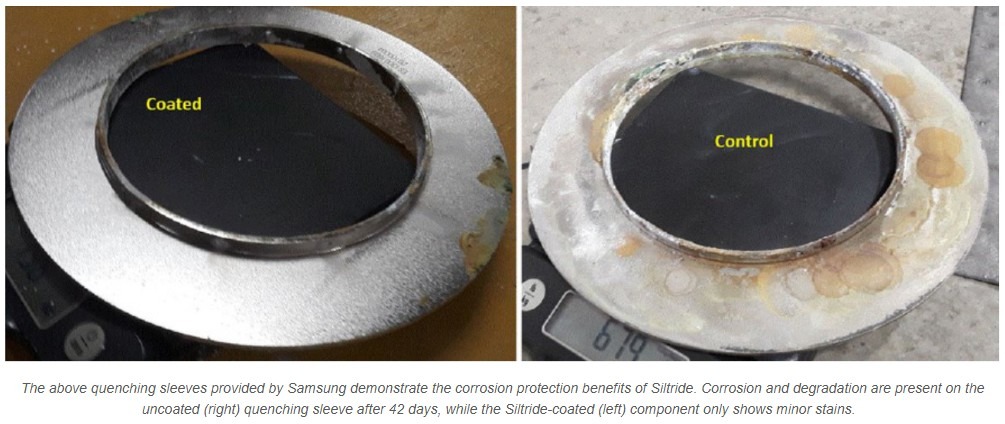
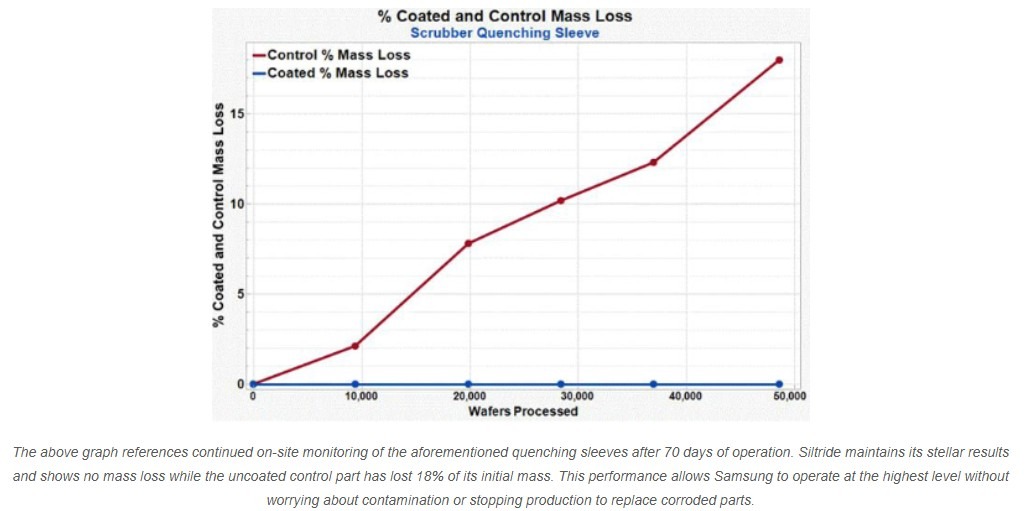
READ THE SAMSUNG CASE STUDY HERE

How SilcoTek Coatings Help

SilcoTek’s chemical vapour deposition (CVD) coatings are engineered to improve the performance of stainless steel components used in demanding semiconductor applications.

Depending on the application, SilcoTek coatings can provide benefits such as:

  • Improved corrosion resistance against aggressive process chemistries
  • Reduced metal ion leaching from stainless steel surfaces
  • Lower risk of contamination from reactive surface interactions
  • Easier cleaning and reduced residue buildup
  • Longer service life for critical process components
  • Improved reliability in high purity fluid handling systems

For applications involving harsh alkaline chemistries and CMP environments, Dursan® coatings provide durable corrosion resistance while maintaining hydrophobic and nonstick surface properties that help reduce residue accumulation. In applications where chemical inertness and contamination control are critical, SilcoNert® coatings help minimize surface interactions with reactive compounds. Siltride® coatings offer an additional option where wear resistance and specialised surface properties are required alongside corrosion protection.


Building More Reliable Semiconductor Systems

As semiconductor manufacturing continues to evolve, controlling contamination becomes increasingly important. Corrosion is often a hidden source of performance issues, contributing to particle generation, metal contamination, increased maintenance, and reduced equipment life.

By considering not only the base material but also the surface chemistry of critical process components, manufacturers can improve reliability, extend maintenance intervals, and support higher process yields. Selecting appropriate surface technologies is one more step toward building cleaner, more durable, and more dependable semiconductor manufacturing systems.

By |2026-08-10T16:21:26+01:0010 August 2026|OptiFab Articles|Comments Off on Common corrosion challenges in semiconductor manufacturing

Build a better analyser system with inert coated flow paths

Designing a high-performance analyser system means accounting for every variable; flow rates, material compatibility, contamination risks, and long-term reliability. Yet one critical element is often overlooked: the surface reactivity of internal flow paths.

Even trace adsorption or corrosion inside tubing, valves, or fittings can skew results, degrade sample integrity, and reduce component life. That’s where inert CVD coatings like SilcoNert® 2000 and Dursan® make a measurable difference.


Why Inert Internal Surfaces Matter

Whether you’re monitoring stack gases, process streams, ambient air, or ultra-trace contaminants, reactive or “sticky” surfaces can lead to:

  • Sample loss or delay: Molecules like H2S, NH3, or VOCs adsorb to bare metal, skewing time-response and readings.
  • Corrosion and leaching: Aggressive chemicals can attack stainless steel, shortening component life and introducing trace metals.
  • Baseline drift: Poorly passivated surfaces can release trapped compounds later – causing signal noise or false positives.


What an Optimised Flow Path Looks Like

A well-designed analyser system doesn’t just rely on good hardware, it incorporates chemically inert, corrosion-resistant surfaces from sample probe to detector.

Key areas to coat include:

  • Sample probes and transfer lines
  • Regulators, valves, and fittings
  • GC columns and injection ports
  • Wetted internal surfaces of analysers

These components benefit from coatings like SilcoNert 2000, which block active sites and provide an ultra-inert barrier for trace-level analysis, especially for sulfur, mercury, or VOC compounds.


Tips for Engineers and Integrators

When specifying coatings for your analyzer system:

Start early in design – Coating tolerance, geometry, and assembly requirements are easier to manage upfront.

Don’t forget assemblies – SilcoTek can coat welded components and even long lengths of tubing.

Use witness coupons – They help confirm coating integrity and uniformity for quality assurance.


What About Electropolishing?

Electropolishing is a common surface treatment for metal components used in analytical systems. While it can improve smoothness and reduce some active sites, it doesn’t fully eliminate surface reactivity, especially for demanding trace-level applications.

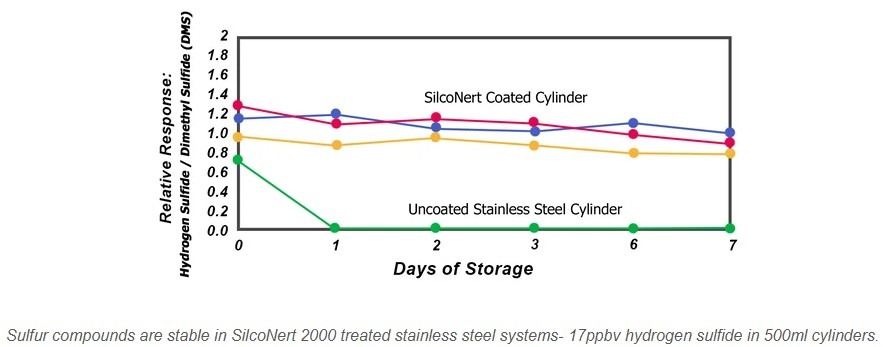
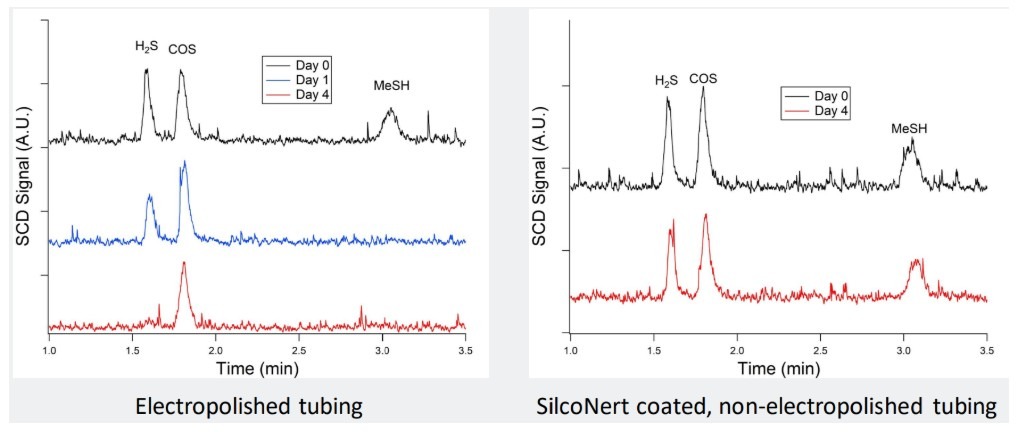
The active compounds, hydrogen sulfide (H2S), carbonyl sulfide (COS), and methyl mercaptan (MeSH), show slow and immediate loss of signal due to adsorption to the surface of the steel, even with electropolishing. Similar results are shown in our FULL STUDY on non-electropolished tubing. Only the SilcoNert 2000 coating allows the preservation of the active sulfur compounds.

So while electropolishing can be a useful first step, applying an inert CVD coating like Dursan® or SilcoNert® 2000 provides significantly better protection and consistency, especially when analyte integrity and low detection limits matter.

The Bottom Line

If you’re building or upgrading an analyser system, internal surface coatings offer one of the highest returns on investment in performance and reliability. Coating your flow path protects your data, your equipment, and your bottom line.

By |2026-08-04T15:14:05+01:004 August 2026|OptiFab Articles|Comments Off on Build a better analyser system with inert coated flow paths

Metal ion contamination during dry etch impacting your yield?

The source of metal ion contamination within your dry etch process is simply the metallic assemblies that deliver the reactive process gases to the process chamber. Equipment manufacturers go to great lengths to ensure systems are manufactured to the highest purity levels; assembled in cleanrooms and validated to SEMI standards such as 49.6 and 49.8, where key parameters such as oxygen, THC and especially moisture are qualified down to ppb levels. the process is off to a great start.

The very nature of dry etch processing uses reactive gases. HBr, fluorine based gases such as CF₄, SF₆, CHF₃ or chlorine based gases such as HCl, Cl₂, BCl₃. SF₆ is another common gas utilised.

Whilst all of the process gases are ultra high purity and anhydrous, as they’re controlled and delivered through the point of use gas control system, controlled to precise levels of mass flow rates, these reactive gases are interacting with the bear metal surfaces, typically 316L stainless steel.

High purity applications demand electropolished tubing and components. Electropolishing changes the surface chemistry, increasing the chromium and nickel content at the surface. It also removes free iron and the higher chromium content improves corrosion resistance, when compared to untreated stainless steel. The end result is a clean, mirror like surface. Fundamentally though, you’re still exposing the reactive gases to a metallic surface.

You’ve taken steps to ensure the purity of your process gases, the system is qualified as clean and dry, to ppb levels, and your instrumentation is equally to high purity standards and electropolished. And yet with all your best efforts and operating procedures, metal ion contamination is still compromising yield and having a detrimental affect.

What’s the solution? Remove the source of contamination. Create a truly inert, non metallic wetted surface.

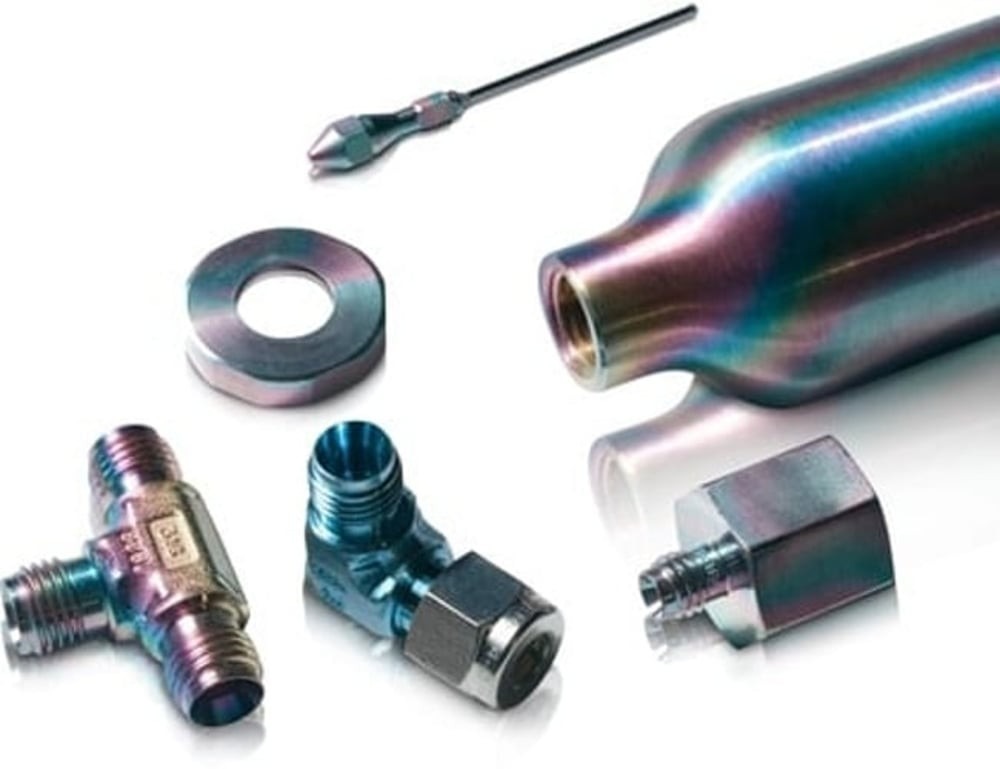
The title image shows VCR type fittings and tubing coated with SilcoTek’s innovative amorphous silicon coating. Applied via a proprietary CVD process, the end result is a highly inert, ultraclean coating only a few hundred nanometres thick. The entire internal surface is 100% coated. The coating process can be applied to very complex geometries, valves, filters and other instrumentation components, where the wetted surface is exposed to reactive media.

Depositing onto metal surfaces at high temperatures can create concerns of metal diffusion into the coating layer. As can be seen in the Auger Electron Spectroscopy (AES) below, metals are not detected within the bulk of the coating layer.

The depth profile illustrates there are no metal elements present in the first 2000 angstroms, and they only start to become present in the diffusion zone. The coating is molecularly bound to the stainless steel.

We also need to consider electropolishing. As stated above, electropolishing does alter the surface chemistry and improve the corrosion resistance of the base metal. Does it improve enough though, to prevent reactions with the media?

The image below presents four test pieces. Each one was exposed to a 5% HCl concentration.

It’s clear that there has been a reaction on the two test pieces that are not coated, including the electropolished piece. Electropolishing does improve corrosion resistance and anecdotally you can see that in the test pieces above. What is evident though is that a reaction has occurred on the electropolished test piece. Conversely the two coated samples demonstrate no reaction to the exposure at all.

The coating is conformal. Whatever the surface finish is prior to coating, the same surface finish will be present after coating. The coatings can be applied to electropolished surfaces without issue, and you will retain the same surface finish. The only difference being the wetted surface is now completely inert and free from potential metal ion contamination sources.

SilcoTek frequently coat the transfer lines, downstream of the mass flow controllers, delivering the gas mix to the process chamber. This is subjected to the most reactive conditions and where you can expect the highest level of reaction with untreated stainless tubing.

If you’re ticking all the boxes for system cleanliness and process control, yet still finding metal ion contamination is the Achilles heel in your dry etch process and yield is suffering, its time to address the source of contamination, the metal surfaces delivering the process gas mix.

Reach out to OptiFab to learn more about this innovative coating, and explore if we can solve your metal ion contamination process issues.

By |2026-07-27T15:44:55+01:0027 July 2026|OptiFab Articles|Comments Off on Metal ion contamination during dry etch impacting your yield?

Dursan 2500: When caustic resistance and hydrophobicity must work together

Industrial manufacturing environments often rely on aggressive alkaline chemicals like sodium hydroxide (NaOH) and potassium hydroxide (KOH) for cleaning, processing, and production. These caustic solutions are effective at their jobs, but they can also be extremely demanding on equipment surfaces.
For many applications, corrosion resistance is only part of the equation. Components may also need to maintain hydrophobic, non-stick surface properties that reduce material adhesion, improve cleanability, and support long term process performance. Finding a surface that can do both has traditionally been a challenge.

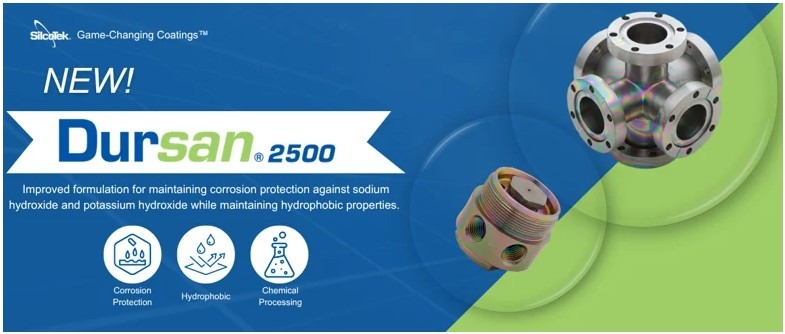
To address this need, SilcoTek developed Dursan® 2500, a specialized CVD coating engineered for applications requiring exceptional resistance to harsh caustic environments while maintaining hydrophobic and low stick surface performance.


Engineered for Demanding Environments

Dursan 2500 was specifically engineered for semiconductor epitaxial system corrosion control. Aggressive chemistries in these applications lead to metal pitting, particulate, and metal contamination. This causes tool downtime and expensive replacement/refurbishment.

Not every high pH application requires Dursan 2500. Many processes perform exceptionally well with other SilcoTek coatings. However, when applications combine aggressive caustic exposure with the need for a durable hydrophobic surface, traditional solutions may no longer provide the desired performance.

Dursan 2500 was specifically designed to fill these gaps.

Applied using SilcoTek’s thermal chemical vapor deposition (CVD) process, Dursan 2500 is a hydrocarbon-functionalized carbosilane deposition that creates a conformal barrier of amorphous silicon, oxygen, and carbon that is functionalized to resist adsorption of corrosive, reactive, and other unwanted molecules. The result is a chemically protective surface that withstands harsh alkaline environments while retaining the hydrophobic characteristics needed for demanding processes.


Why Hydrophobicity Matters

In many industrial applications, maintaining a hydrophobic, non-stick surface is just as important as resisting corrosion.

Low surface energy can help minimize material adhesion, improve product release, simplify cleaning, and reduce the buildup of unwanted deposits. However, prolonged exposure to strong caustic chemistries can compromise these surface properties over time.

Dursan 2500 was designed to help preserve both chemical durability and hydrophobic performance, making it a ideal solution for applications where neither property can be sacrificed.


Applications That Benefit

Many industries utilize sodium hydroxide and potassium hydroxide during manufacturing or routine cleaning. Dursan 2500 is designed for processes where these harsh chemicals are present and maintaining hydrophobic or anti-stick surface properties is critical.

Potential applications include:

  • Semiconductor manufacturing, including components exposed to caustic CMP slurries or harsh epitaxial deposition environments
  • Biodiesel production equipment
  • Water and wastewater treatment systems
  • Food processing equipment
  • Petroleum refining
  • Gas scrubbing systems
  • Chemical processing equipment

In these environments, Dursan 2500 helps provide a durable protective surface that resists aggressive caustic exposure while supporting easier release, improved cleanability, and long term equipment performance.

Expanding the SilcoTek Coating Portfolio

Every SilcoTek coating is designed to solve a different surface engineering challenge.

For many applications, Dursan® continues to provide excellent corrosion resistance and hydrophobic performance. Siltride® offers unique surface characteristics for applications with different performance requirements. Dursan 2500 expands the portfolio by providing a specialized solution for processes that require both exceptional resistance to caustic chemistries and long lasting hydrophobic, non-stick performance.

Rather than replacing existing coatings, Dursan 2500 gives engineers, operators, and researchers another option when conditions exceed the capabilities of conventional surface treatments or when maintaining hydrophobicity in high pH environments is essential.

Built on Proven CVD Technology

Like all SilcoTek coatings, Dursan 2500 is applied using thermal chemical vapor deposition (CVD), producing a thin, uniform coating over complex internal and external surfaces. The coating is compatible with stainless steel, exotic alloys, and ceramics and can be applied to intricate geometries without changing component dimensions. Typical coating thickness ranges from 100 – 1000 nm, with an allowable pH exposure of 0 – 14 and a hydrophobic contact angle of at least 80°.

Is Dursan 2500 Right for Your Application?

Dursan 2500 is intended for specialized applications where surface performance depends on more than corrosion resistance alone.

If your process involves repeated exposure to sodium hydroxide, potassium hydroxide, caustic cleaning solutions, or alkaline process chemistries while also requiring a durable hydrophobic, anti-stick surface, Dursan 2500 may be the right solution.

Reach out to OptiFab below to learn more about this new innovative process solution.

By |2026-07-07T17:27:49+01:007 July 2026|OptiFab Articles|Comments Off on Dursan 2500: When caustic resistance and hydrophobicity must work together

Four important factors for selecting a bio-inert coating

Ensuring a bio-inert surface is essential for numerous industries beyond medical diagnostics. Lets explore what bio-inert coatings are, key factors to consider when selecting one, and why Dursan® is an excellent choice for corrosion resistance and bio-inert applications.


What is a Bio-Inert Coating?

A bio-inert coating is a specialised surface treatment designed to prevent interactions with biological materials. This ensures that the coating does not react, promote chemical activity, or interfere with the biological substances it comes into contact with.

The University of California Division of Agriculture and Natural Resources classifies biological materials as:

  • Recombinant or synthetic DNA/RNA (e.g., plasmids, cloned materials, siRNA)
  • Viral vectors (e.g., lentivirus, adenovirus, AAV)
  • Genetically modified organisms (e.g., microorganisms, plants, animals, cell lines)
  • Human products (e.g., blood, tissues, bodily fluids, clinical specimens)
  • Pathogenic microorganisms (e.g., human, animal, or plant pathogens)
  • Select Agents or Select Toxins


Key Factors to Consider When Selecting a Bio-Inert Coating

1. Corrosion Resistance

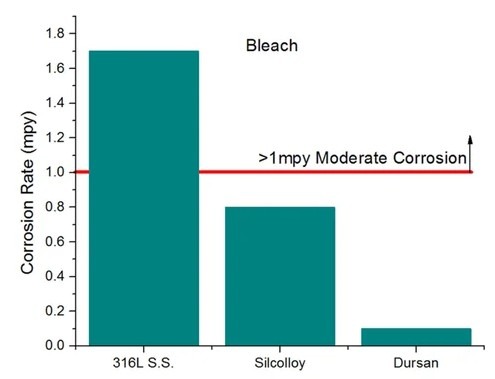
Bio-inert sampling flow paths must withstand aggressive cleaning cycles. We tested Dursan against common stainless steel coatings by immersing them in 15% bleach for 24 hours. The results demonstrated that Dursan outperformed other coatings in corrosion resistance, proving its durability and reliability.

Comparative ASTM bleach immersion studies show Dursan prevents surface attack by preventing interaction of corrosive analytes or cleaning agents with the surface and outperforming other coatings or stainless steel surfaces by an order of magnitude.


2. Food Contact Safety & Biocompatibility

The United States Food and Drug administration (FDA) does not formally “approve” coatings or other materials for food or bio/pharmaceutical contact. Rather, the FDA regulates coatings via the Code of Federal Regulations (CFR), specifically 21 CFR 175.300 which lists what raw materials are acceptable and unacceptable for the formulation of coatings. It is then up to the coating supplier to self-regulate to ensure that they are using raw materials that are acceptable.

According to the FDA, a coating must:

1) Pass the solvent extraction tests listed in 21 CFR 175.300.

2) Contain no heavy metals.

3) All coating components must conform to the materials listed by the FDA in order to be compliant.

These stipulations are also required for NSF/ANSI 51 certification. Dursan successfully meets these requirements and is therefore FDA compliant.

With respect to pharmaceutical applications, our data suggest that Dursan does not “alter the safety, identity, strength, quality, or purity of the drug product beyond the official or other established requirements” per 21 CFR 211.65.

Nevertheless, we strongly encourage customers to test the use of Dursan in their specific application to verify that performance requirements are met and the customer’s production processes and outputs can continue to meet FDA approval guidelines.


3. Metal Ion Barrier and Inertness to Bio Molecules

When testing recovery for oligonucleotides it was found that more metal ion leaching resulted in less oligonucleotides reaching their destination. The coated vs. uncoated mass spec and UV mobile phases differ significantly.


4. Anti-Stick to Biological Compounds

Protein adsorption, or sticking, occurs when proteins in biological fluids adhere to the surfaces of medical devices. This can cause device malfunction in sensors and diagnostic tools, biofouling that leads to protein films that develop into infections, and the body recognizes proteins as foreign and triggers an immune response.

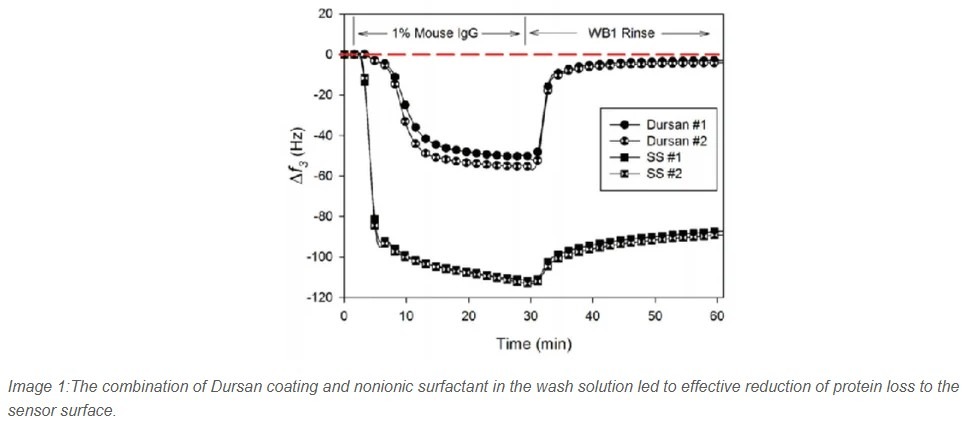
In 2021, we did a case study with Abbott Labs on reducing protein adhesion on medical diagnostic equipment with Dursan® coating. To look for increased protein resistance, the Abbott group performed tests on a Quartz Crystal Microbalance with Dissipation monitoring or QCM-D, which is a highly sensitive mass sensor that can detect mass uptake or release by interpreting changes in the quartz resonance frequency. The sensors were coated in a thin layer of 316L grade stainless steel and then coated via chemical vapour deposition with SilcoTek’s Dursan process. After treating the QCM-D sensors with a protein solution and gauging the protein adhesion, the following was established. As seen in Image 1 below, a combination of Dursan coating and a wash step containing a non-ionic surfactant facilitated 100% removal of tested proteins. Shown in Image 2, comparison studies between Dursan and AF 1600 (a competitive fluoropolymer coating) showed that sonication degraded the protein resistance properties of the AF 1600 due to delamination, but had no negative impact on Dursan demonstrating the coating’s superior adhesion and more robust performance. This study illustrates what an inert coating can do for stainless steel equipment in any protein adhesion environment, creating fewer false positive tests due to protein carryover and contamination.


Why Choose Dursan for Bio-Inert Applications?

Dursan is an advanced CVD coating technology that meets all key criteria for bio-inert applications. It is NSF-approved and FDA-compliant, making it a top choice for industries requiring reliable, corrosion-resistant coatings.

Dursan’s Advantages:

  • Extends the life of medical and analytical instruments
  • Prevents protein carryover and binding
  • Improves test consistency and accuracy
  • Provides superior corrosion resistance


Final Thoughts

Selecting the right bio-inert coating is crucial for ensuring reliable performance in medical, industrial, and analytical applications. Dursan’s superior bio-inert properties, corrosion resistance, and compliance with regulatory standards make it an ideal choice for professionals seeking high-performance coatings.

Interested in learning more? Reach out to OptiFab below to discuss your specific requirements and find the best coating solution for your needs.

By |2026-07-07T16:56:19+01:007 July 2026|OptiFab Articles|Comments Off on Four important factors for selecting a bio-inert coating

Enhancing biopharmaceutical manufacturing with ASME BPE standards

In the highly regulated world of biopharmaceutical manufacturing, product quality, patient safety, and process reliability are non-negotiable. Every component that comes into contact with pharmaceutical products; from stainless steel tubing and process vessels to valves and chromatography systems must be designed, fabricated, and maintained to the highest standards. This is where the American Society of Mechanical Engineers (ASME) Bioprocessing Equipment (BPE) Standard plays a critical role.

What is ASME BPE?

The ASME BPE Standard is an internationally recognized set of guidelines and requirements specifically developed for equipment used in bioprocessing, pharmaceutical, biotechnology, and personal care product manufacturing. First published in 1997, the standard was created to address the unique sanitary and hygienic requirements of industries where contamination can have serious consequences.

Unlike general industrial standards, ASME BPE focuses on the design, construction, inspection, testing, and maintenance of equipment that directly impacts product purity and process performance.


Ensuring Product Quality and Patient Safety

One of the primary goals of ASME BPE is to minimize contamination risks. Pharmaceutical products often come into direct contact with process surfaces throughout manufacturing. Any surface imperfections, dead legs, crevices, or poorly designed welds can become locations where bacteria, residues, or contaminants accumulate.

ASME BPE provides detailed requirements for:

  • Surface finish specifications
  • Hygienic equipment design
  • Orbital welding practices
  • Material selection
  • Drainability
  • Cleanability and sterilizability

By following these guidelines, manufacturers reduce the risk of microbial growth and cross-contamination, helping ensure that products reaching patients meet stringent quality requirements.


Supporting Regulatory Compliance

Regulatory agencies such as the U.S. Food and Drug Administration (FDA) and global health authorities expect manufacturers to demonstrate that their facilities and equipment are suitable for their intended use.

While ASME BPE is not itself a regulatory requirement, it is widely recognized as an industry best practice and is frequently referenced during facility design, equipment qualification, and regulatory inspections. Adherence to BPE standards can provide documented evidence that equipment was designed and fabricated using accepted hygienic engineering principles.

This can simplify validation efforts and strengthen a manufacturer’s overall compliance strategy.


Improving Process Performance

The benefits of ASME BPE extend beyond compliance and cleanliness. Properly designed bioprocess equipment often delivers measurable operational advantages, including:

  • Reduced cleaning times
  • Improved clean-in-place (CIP) effectiveness
  • More consistent sterilization cycles
  • Lower product loss
  • Reduced maintenance requirements
  • Increased process reliability

For example, a system designed with proper drainability and minimal dead legs can significantly improve cleaning efficiency while reducing water, chemical, and energy consumption.


Standardizing Global Manufacturing Practices

Modern biopharmaceutical manufacturing is increasingly global. Equipment may be designed in one country, fabricated in another, and installed in facilities around the world.

ASME BPE provides a common engineering language that allows equipment suppliers, contractors, quality teams, and end users to work from the same set of expectations. This standardization reduces misunderstandings, improves project execution, and helps ensure consistent quality across international operations.


Driving Innovation in the Industry

ASME BPE is not a static document. The standard is continuously updated by industry experts, equipment manufacturers, end users, regulators, and engineering professionals. New technologies, manufacturing techniques, and lessons learned from industry experience are regularly incorporated into revisions.

This collaborative approach helps ensure that the standard evolves alongside advancements in bioprocessing, including single-use technologies, advanced materials, and emerging manufacturing methods.


How Advanced Surface Coatings Support ASME BPE Objectives

While equipment design and fabrication are fundamental to achieving ASME BPE compliance, surface performance is equally important. In biopharmaceutical manufacturing, process equipment is exposed to aggressive cleaning agents, high-purity fluids, buffers, and active pharmaceutical ingredients that can challenge traditional stainless steel surfaces over time.

Advanced inert coatings, such as those developed by SilcoTek, can provide an additional layer of protection for critical process components. Applied through a chemical vapour deposition (CVD) process, our ultra-thin coatings create a highly inert and corrosion-resistant surface without significantly altering the dimensions or functionality of the underlying component.

For biopharmaceutical manufacturers, coated process equipment can offer several potential advantages:

  • Enhanced corrosion resistance in harsh cleaning and sanitization environments.
  • Reduced interaction between process fluids and metal surfaces.
  • Improved surface durability for components exposed to repeated clean-in-place (CIP) and steam-in-place (SIP) cycles.
  • Lower risk of metal ion leaching in high-purity applications.
  • Improved consistency and longevity of process equipment.

Applications may include chromatography hardware, sample handling systems, process tubing, fittings, sensors, instrumentation components, and other fluid-contact surfaces where product purity is critical.

By helping maintain inert, cleanable, and durable surfaces, advanced coatings can complement the hygienic design principles established by ASME BPE and support manufacturers in achieving long-term process reliability.


SilcoTek Increases System Longevity, Performance, and Purity Without Exotic Alloys

Electropolished and passivated alloys are no longer enough for increasingly sensitive, complex, and costly biopharmaceutical processes. Even the smoothest stainless steel or exotic alloys are prone to microscale reactions with process fluids that lead to expensive downtime, lower efficiency, and maintenance.

Fluid contact with metal surfaces should be eliminated to maximize output, performance, and purity, but metal alloys are a must-have for BPE. How can end users and manufacturers of bioprocess systems achieve both?

Surface technology from SilcoTek that makes stainless steel:

  • Corrosion and rouge resistant to fluids at any pH 0-14
  • Twice as durable
  • Self-cleaning and easier to maintain
  • Inert to the most coveted metal-sensitive compounds of interest, like oligonucleotides

SilcoTek’s surface technology is trusted by manufacturers of semiconductors, medical devices, analytical instruments, and other high technology applications where purity and performance are of utmost importance. Reasons include:

  • Surface treatment is FDA compliant, USP Class VI and NSF certified
  • Applicable to any BPE flow path component, including tubes up to 24’ long
  • Penetrates and bonds to equipment surfaces molecularly, preventing flaking
  • Does not change ASME-BPE surface designation, can be applied to SF0-SF6
  • Vapour phase surface treatment process uniformly treats 100% of surfaces
  • Significantly lower cost and lead time than exotic alloys


Conclusion

The ASME BPE Standard has become a cornerstone of modern biopharmaceutical manufacturing. By establishing rigorous requirements for hygienic design, fabrication, inspection, and maintenance, it helps manufacturers protect product quality, ensure patient safety, improve operational efficiency, and maintain regulatory confidence.

Achieving these goals requires more than proper equipment geometry and fabrication practices. Material selection and surface performance also play critical roles in ensuring long-term reliability and cleanliness. Technologies such as SilcoTek’s inert coatings can complement ASME BPE-compliant equipment by enhancing corrosion resistance, minimizing product-surface interactions, and supporting the demanding cleaning and sterilization requirements common throughout the biopharmaceutical industry.

As the industry continues to evolve, combining ASME BPE best practices with advanced surface engineering technologies will help manufacturers meet increasingly stringent quality expectations while improving process performance and equipment longevity.


By |2026-06-26T14:17:52+01:0016 June 2026|OptiFab Articles|Comments Off on Enhancing biopharmaceutical manufacturing with ASME BPE standards

Coating valves for maximum performance and lifespan

In many industries, valves are mission-critical components. They control fluid flow, regulate pressure, and maintain system integrity. But in harsh process environments – whether that’s semiconductor gas delivery lines, analytical chemistry sampling systems, pharmaceutical manufacturing, or energy production – unprotected valves can quickly become a source of problems.

Corrosion, contamination, and wear not only shorten valve service life, they also risk product purity and process accuracy. That’s why more engineers and maintenance managers are choosing valve corrosion protection and inert coatings for valves as a proactive solution.

Why Use CVD Coatings on Valves?

SilcoTek specializes in chemical vapor deposition coatings (CVD) that molecularly bond to stainless steel and other alloys. Our proprietary coatings are designed to solve the most common valve performance issues:

Corrosion Resistance: In offshore energy platforms, chemical plants, and process lines exposed to acids or chlorides, corrosion is inevitable without proper protection. Dursan®-coated ball valves have shown over 10× better corrosion resistance than bare stainless steel in ASTM B117 salt spray testing, extending maintenance intervals and reducing downtime.

Inert, Non-Reactive Flow Paths: For semiconductor manufacturing and analytical applications, even microscopic surface activity can alter results. SilcoNert® coatings create an ultra-inert surface inside the valve, preventing adsorption of sulfur, mercury, ammonia, VOCs, and PFAS compounds. This ensures accurate readings from parts-per-billion down to parts-per-trillion concentrations.

Improved Wear Resistance: Valves in high-cycle or abrasive environments benefit from harder, smoother internal surfaces. Our coatings reduce galling, improve seal performance, and resist particle shedding – critical for maintaining purity and protecting downstream equipment.

There are so many different types of valves – all with different componentry. Some commonly coated valve components are:

  • Balls
  • Stems and needles
  • Poppets
  • Springs
  • Actuators
  • Seats, washers, retainers, and glands
  • Diaphragms
  • Bonnets
  • Plugs

Proven Benefits in Real-World Applications

One major petrochemical facility replaced uncoated valves in its sampling lines with SilcoNert-coated versions. The result: maintenance intervals extended from six months to three years, significant cost savings, and safety improved due to fewer leak-related interventions. Read the study HERE.

Similar results have been seen in semiconductor fabs, analytical labs, and pharmaceutical plants; anywhere CVD-coated valves are deployed to resist corrosion, maintain chemical inertness, and perform reliably over years of service.

Why SilcoTek Coatings Work

Unlike spray or dip coatings, SilcoTek’s CVD process creates a uniform, pinhole-free layer that bonds at the molecular level. This means it will not chip, flake, or peel, even on intricate internal geometries. Because it adds virtually no thickness, it preserves valve tolerances, making it ideal for precision valve components.

If your valves are failing prematurely, contaminating your process, or costing too much to maintain, CVD coatings for valves can be the long-term solution you need. Contact SilcoTek’s technical team to discuss compatibility, performance data, and coating options for your application.

Handling Actuation

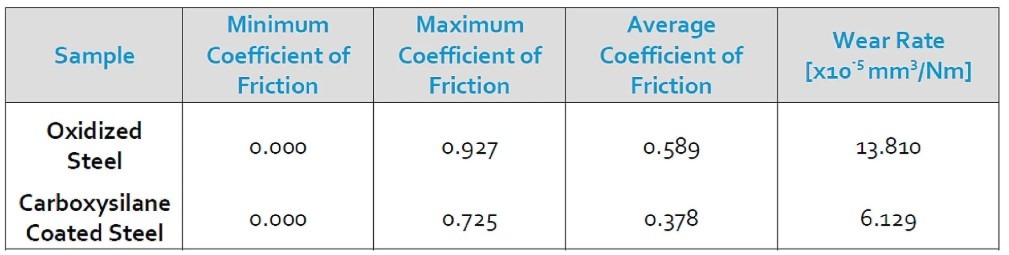
Some customers worry that the coating will wear or flake while in use. Our thin-film coatings actually performed better than bare stainless steel. The below table shows the results of a pin-on-disc test between Dursan and bare stainless steel. As shown, the wear rate was more than 2x that of the coated metal, so no flaking here! Speaking of flaking, SilcoTek coatings are not painted or baked on so they don’t rely on adhesion to stay on the surface. Our CVD process diffuses the coating into metal, glass or ceramic surfaces. Our patented CVD process makes our coatings incredibly durable and securely bonded to the part surface.


By |2026-06-26T14:18:31+01:0012 June 2026|OptiFab Articles|Comments Off on Coating valves for maximum performance and lifespan

What is surface engineering? The role of SilcoTek CVD coatings

When engineers need better corrosion resistance, improved wear performance, greater cleanliness, or enhanced chemical inertness, the first instinct is often to change the material itself. While selecting a different alloy can sometimes solve a problem, it is often an expensive and impractical solution.

That’s where surface engineering comes in.

Surface engineering is the practice of modifying the surface of a material to improve its performance while preserving the desirable properties of the underlying substrate. Rather than redesigning an entire component, engineers can tailor the surface to meet specific application requirements.

From aerospace and medical devices to analytical instrumentation and semiconductor manufacturing, surface engineering plays a critical role in improving product reliability, extending service life, and enabling performance that would be difficult or impossible to achieve with base materials alone.

What Is Surface Engineering?

Surface engineering encompasses a broad range of technologies designed to alter the physical, chemical, mechanical, or electrical properties of a material’s surface.

The goal is simple: create a surface that performs differently than the bulk material beneath it.

For example, a stainless steel component may have excellent strength and manufacturability but lack the chemical inertness needed for ultra-trace analytical measurements. Rather than replacing the component with an exotic alloy, engineers can modify the surface to create the desired interaction between the component and its operating environment.

Surface engineering techniques include:

  • Electroplating
  • Electropolishing
  • Passivation
  • Thermal spray coatings
  • Anodizing
  • Nitriding and carburizing
  • Physical Vapour Deposition (PVD)
  • Chemical Vapour Deposition (CVD)
  • Polymer and ceramic coatings

Each approach offers different advantages depending on the performance requirements of the application.


Why Surface Properties Matter

In many applications, performance is determined not by the bulk material but by what happens at the surface.

After all, the surface is where components encounter chemicals, process streams, moisture, heat, friction, contaminants, and mechanical wear.

Problems often originate at the interface between a material and its environment:

  • Corrosion attacks exposed surfaces.
  • Reactive compounds adsorb onto metal surfaces.
  • Friction causes wear and particle generation.
  • Surface contamination impacts product purity.
  • Rough surfaces create flow disruptions and product retention.

Even when the base material remains structurally sound, surface interactions can lead to reduced efficiency, inaccurate measurements, contamination, or premature component failure.

Surface engineering addresses these challenges by creating a surface optimized for the specific demands of the application.

For example a 20% H2S sample will need a more robust flow path vs. a 20 ppb sample.  Conversely, surface reactivity will have a greater relative impact on the 20ppb sample.  A 10 ppb loss due to flow path adsorption results in a 50% loss to the trace sample but a negligible impact to the 20% sample.

Common Goals of Surface Engineering

While methods vary, most surface engineering technologies are designed to achieve one or more of the following objectives:

Improve Corrosion Resistance

Protective surface layers can prevent aggressive chemicals, moisture, and corrosive environments from attacking the underlying material. This helps extend component life and reduce maintenance costs.

Reduce Wear and Friction

Hard surface treatments and specialised coatings can improve durability in applications involving sliding contact, abrasion, or repeated mechanical movement.

Enhance Chemical Inertness

Certain applications require surfaces that resist chemical interaction altogether. Analytical sampling systems, gas distribution networks, and semiconductor manufacturing equipment often rely on highly inert surfaces to prevent adsorption, reactions, or contamination.

Improve Cleanliness

Industries such as life sciences, semiconductor manufacturing, and specialty gas production require surfaces that minimize particle generation and contamination.

Optimise Electrical or Thermal Properties

Surface modifications can alter conductivity, insulation characteristics, thermal performance, or other functional properties without changing the bulk material.

Where SilcoTek Fits Into Surface Engineering

SilcoTek specializes in one specific area of surface engineering: thin-film Chemical Vapour Deposition (CVD) coatings designed to improve surface chemistry and barrier performance.

Unlike traditional coatings that sit on top of a surface, SilcoTek coatings are deposited through a proprietary CVD process that creates an extremely uniform, conformal layer throughout complex geometries, including tubing, valves, regulators, fittings, and other difficult-to-coat components.

The result is a surface engineered to deliver enhanced performance while preserving the strength, dimensional stability, and mechanical properties of the original component.

Depending on the coating selected, SilcoTek technologies can provide:

  • Increased chemical inertness
  • Reduced analyte adsorption
  • Improved corrosion resistance
  • Enhanced cleanliness
  • Lower particle generation
  • Hydrophobic or hydrophilic surface properties
  • Improved wear performance

These benefits help customers improve process reliability without redesigning equipment or switching to expensive specialty alloys.

Surface Engineering for Analytical Applications

One area where surface engineering delivers significant value is analytical instrumentation.

When trace compounds contact bare metal surfaces, they can adsorb, react, or decompose before reaching the detector. This leads to inaccurate measurements, poor recovery, longer stabilization times, and inconsistent results.

Surface-engineered components help eliminate these interactions by creating a chemically inert barrier between the sample and the metal substrate.

This is particularly important when measuring reactive compounds such as:

  • Sulfur species
  • Mercury
  • Ammonia
  • Aldehydes
  • Organic acids
  • Moisture sensitive compounds

By controlling surface chemistry, laboratories and process facilities can improve data quality while reducing maintenance and troubleshooting efforts.

Surface Engineering Versus Material Replacement

A common question engineers face is whether to upgrade the material or modify the surface.

In many cases, surface engineering offers significant advantages over replacing the entire component with a more expensive alloy.

Surface engineering can:

  • Reduce material costs
  • Preserve existing component designs
  • Improve performance without sacrificing strength
  • Extend equipment life
  • Minimize supply chain challenges associated with specialty metals

Rather than choosing between performance and cost, surface engineering allows manufacturers to optimize both.

The Future of Surface Engineering

As industries demand greater precision, higher purity, and longer equipment life, surface engineering continues to become more important.

Emerging technologies in energy production, semiconductor manufacturing, advanced analytics, and life sciences increasingly rely on engineered surfaces to overcome challenges that conventional materials cannot solve alone.

The future of product performance is not just about selecting better materials. It’s about designing better surfaces.

At SilcoTek, surface engineering is at the core of what we do. By modifying surface chemistry at the molecular level, our coatings help customers improve corrosion resistance, increase inertness, reduce contamination, and unlock performance that would otherwise be difficult to achieve with conventional materials.

Whether you’re working with analytical instruments, semiconductor equipment, process systems, or critical manufacturing components, surface engineering can help you get more from the materials you already use.


By |2026-06-26T14:19:07+01:008 June 2026|OptiFab Articles|Comments Off on What is surface engineering? The role of SilcoTek CVD coatings
Go to Top